Muḥammad and His Followers in Context: The Religious Map of Late Antique Arabia
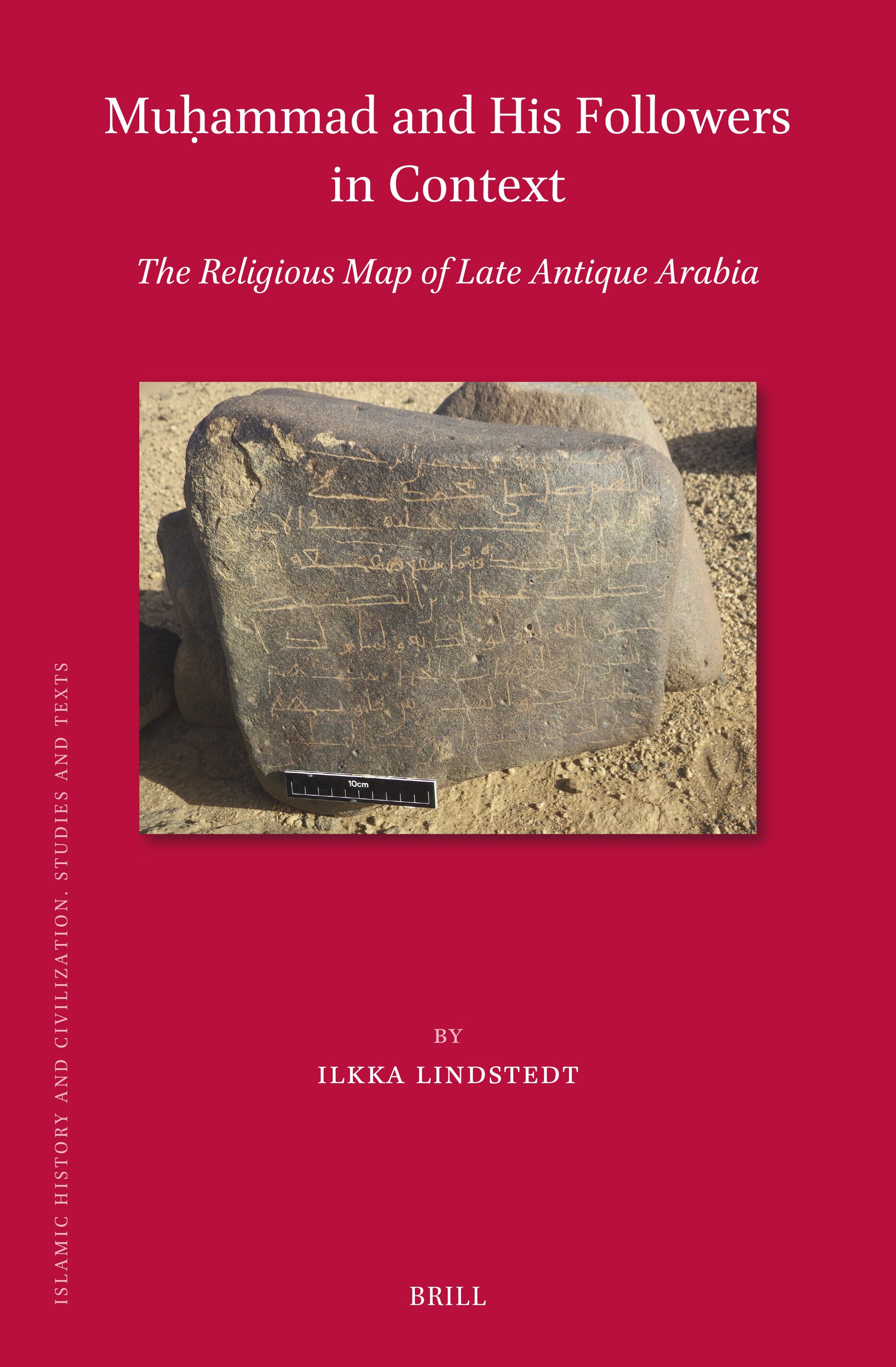
This book surveys and analyzes changes in religious groups and identities in late antique Arabia, ca. 300–700 CE. Drawing on contemporary evidence – specifically, inscriptions, archaeological remains, Arabic poetry, the Qur'an, and the so-called Constitution of Medina – the study argues that transformations in social and religious groups were more piecemeal than previously assumed. The central argument of the book is that forms of monotheism (in particular, Judaism and Christianity) were prevalent in Arabia, including the Hijaz, at the rise of Islam.
"Highly recommended" - R. W. Zens in Choice
"Lindstedt does a great service to the field by examining myriad obscure and difficult pre-Islamic commissioned inscriptions, graffiti and poems to shed light on this complicated period." – Sandra Toenies Keating in Islam and Christian–Muslim Relations
"Ilkka Lindstedt offers a significant reassessment of the demographic and religious history of Late Antique Arabia. By centering epigraphic evidence over later literary sources, the book demonstrates that the Arabian Peninsula was an integral part of the Late Antique Near Eastern world, inviting a critical re-evaluation of assumptions about an isolated, pagan Arabia and moving the field away from an overreliance on post-hoc historiography." – Ahmet Celal Şener in Siyer Araştırmaları Dergisi
"L’ouvrage constitue une contribution remarquable à l’historiographie. Son originalité réside dans la volonté d’opter pour approche interdisciplinaire, offrant une place importante à l’épigraphie." - Mohamed Hayyan in Studia Islamica
"تبقى هذا الدراسة مهمة للمتخصصين في الدراسات القرآنّية، ومقارنة الأديان، نظــرا لما تتضمنـه من قضايـــــا اعيـــــــد طرحهــــا على مائـدة النقـــاش في السياق المعاصر" – ʿAbd al-Ḥamīd al-Rāqī in Qirāʾāt fī Kutub Jadīda, a publication of Mohamed bin Zayed University for Humanities